
Fastener basics
Fastener school: the basics
Screws, bolts, nuts, washers, nails — what each one is for.
Fastener school
Not sure what you need?
Pick a category, see the actual part, learn the difference in plain English — then jump straight to that product at our Delray Beach store. No jargon, no guessing at part numbers.
How do I hang something on a wall that isn't wood?
Most South Florida homes are concrete block with stucco outside and drywall over furring strips inside. The anchor you need depends entirely on what's behind the paint — so start by tapping the wall or drilling a test hole in a hidden spot.
See it done
Setting a toggle behind drywall
Drill the full-size hole, fold the wings, push until they snap open, then pull back toward you while you tighten. The clamp happens behind the wall — not in it.
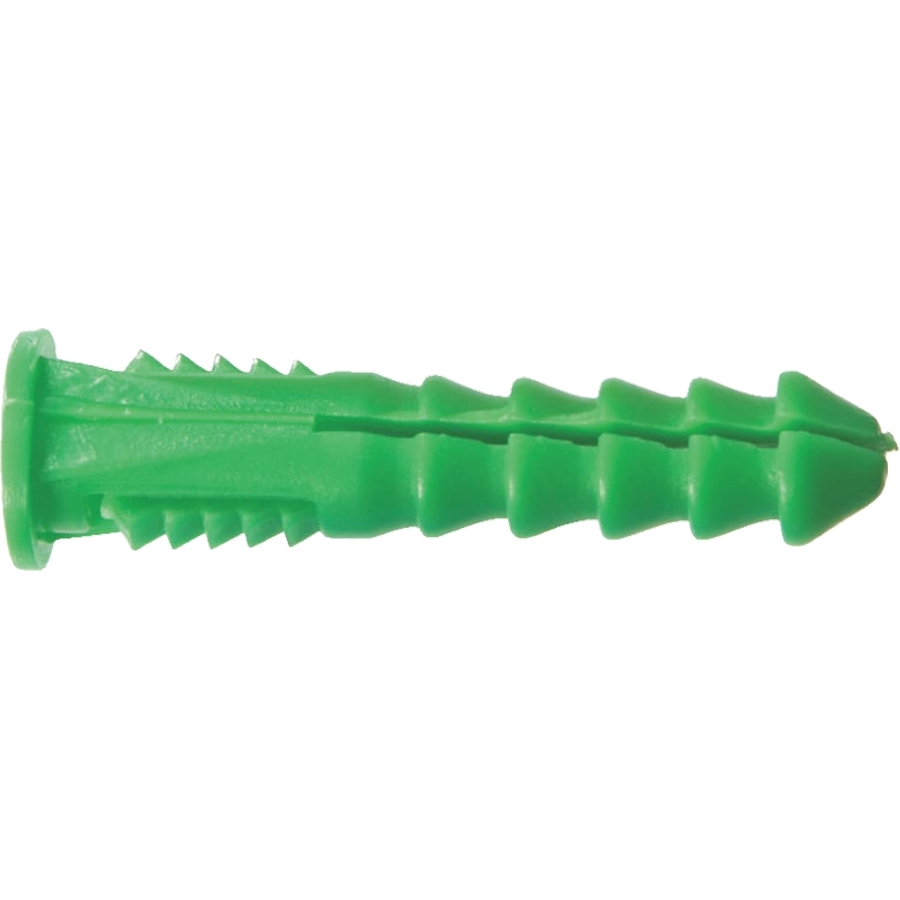
Ribbed plastic anchor
The cheap conical sleeve you tap into a pre-drilled hole, then drive a screw into.
Best for
- Light picture frames, smoke detectors, small shelf brackets
- Drywall and soft block
Watch out
Rated for a few pounds only. If it spins in the hole, the hole is too big — step up to a toggle.
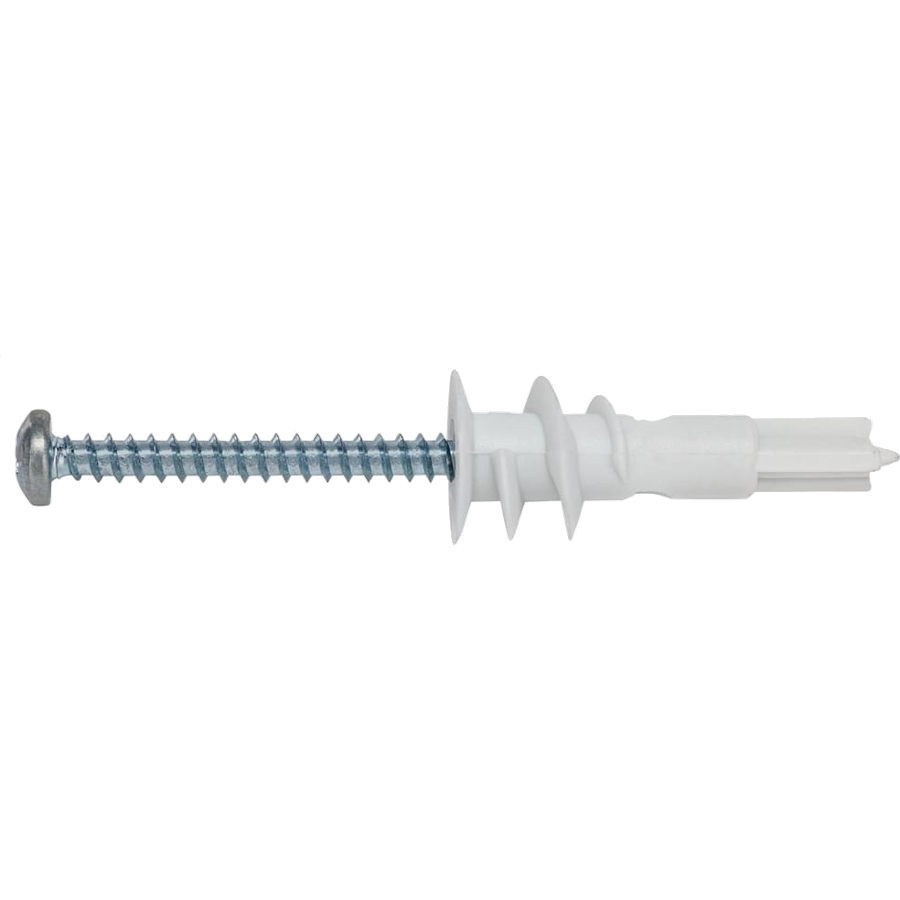
Self-drilling drywall anchor
A fat threaded cone that screws straight into drywall with no pilot hole.
Best for
- Curtain rods, coat hooks, mirrors up to ~25 lb
- Drywall only
Watch out
Useless in concrete or plaster — it will snap or strip.
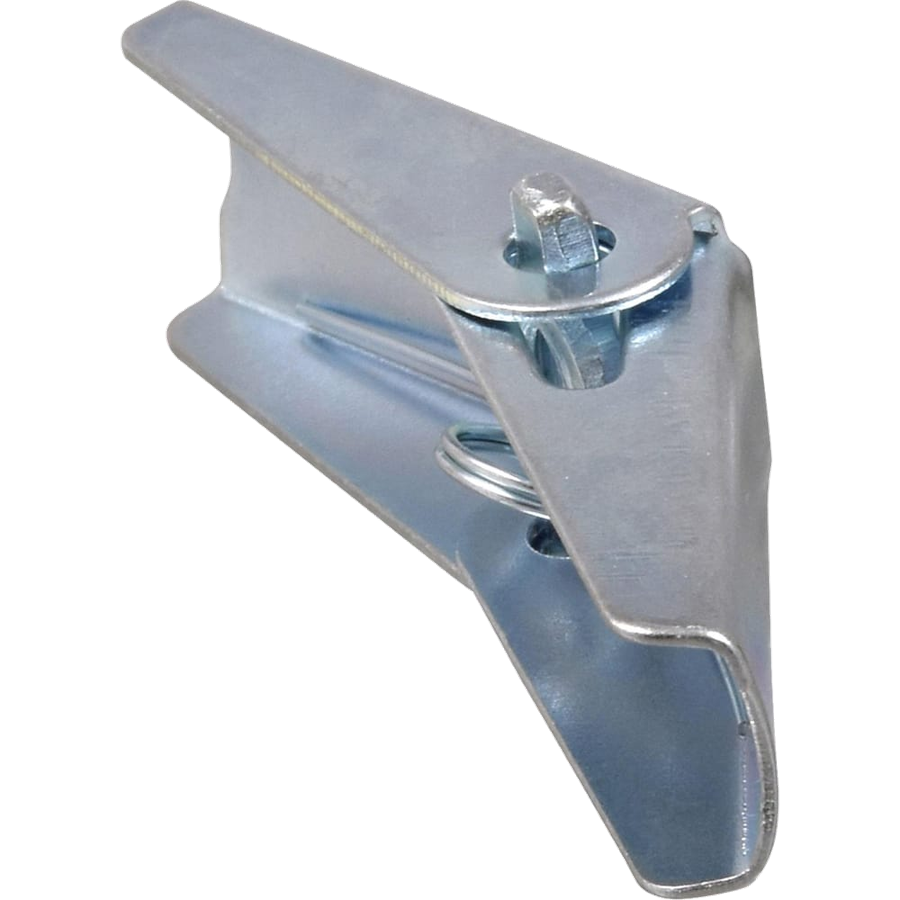
Toggle bolt / snaptoggle
A metal wing or bar that flips open behind the drywall and clamps against the back side.
Best for
- Heavy mirrors, TV mounts, floating shelves, grab bars
- Hollow drywall with nothing behind it
Watch out
Needs a big hole and open space behind the wall. Standard toggles fall inside if you remove the bolt.
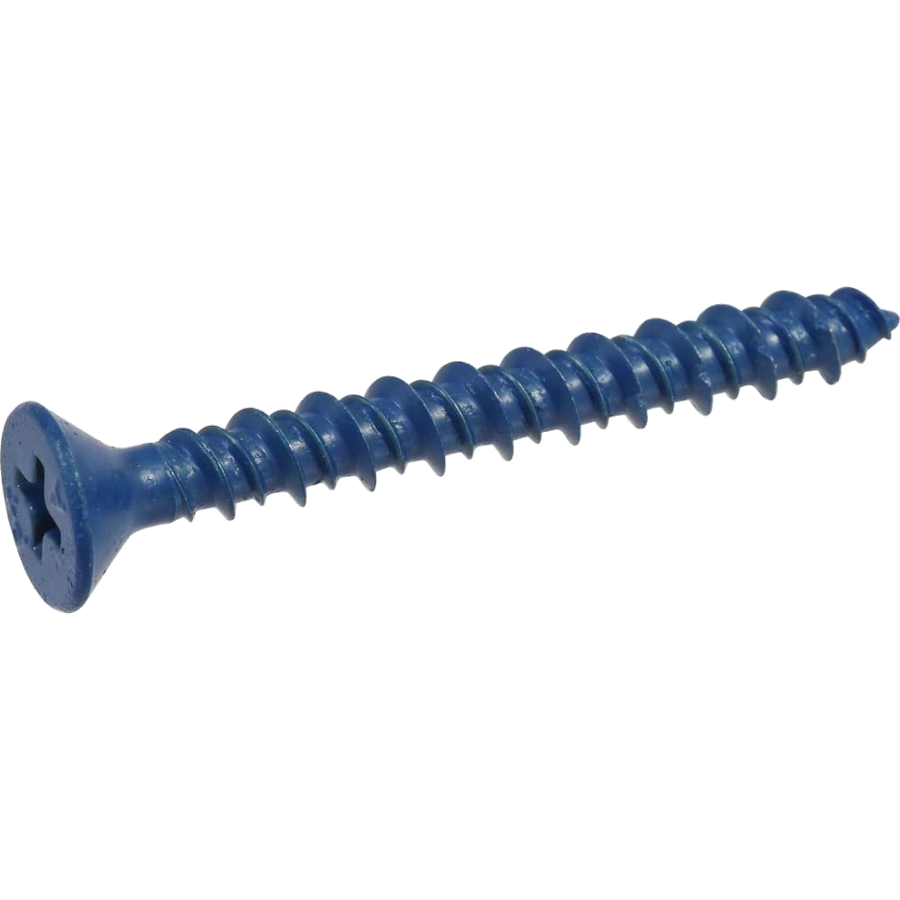
Concrete screw (Tapcon)
A hardened blue screw that cuts its own threads into a hammer-drilled hole in masonry.
Best for
- Hurricane shutters, brackets, furring strips, hose reels on block or stucco
Watch out
You must use the matching carbide bit — 3/16" screw wants a 5/32" bit. Blow the dust out or it won't seat.
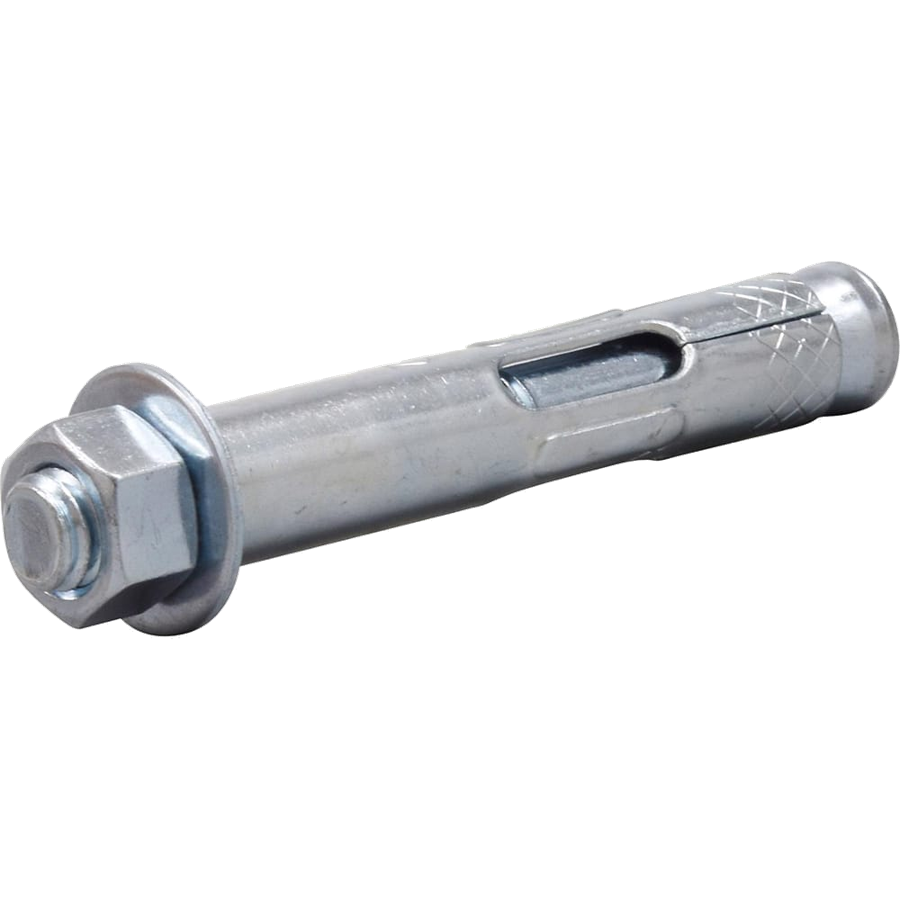
Sleeve anchor
A bolt inside a split metal sleeve that expands against the hole as you tighten the nut.
Best for
- Railings, gates, mailbox posts, equipment feet in concrete or block
Watch out
One-shot — once it's expanded it doesn't come back out cleanly.
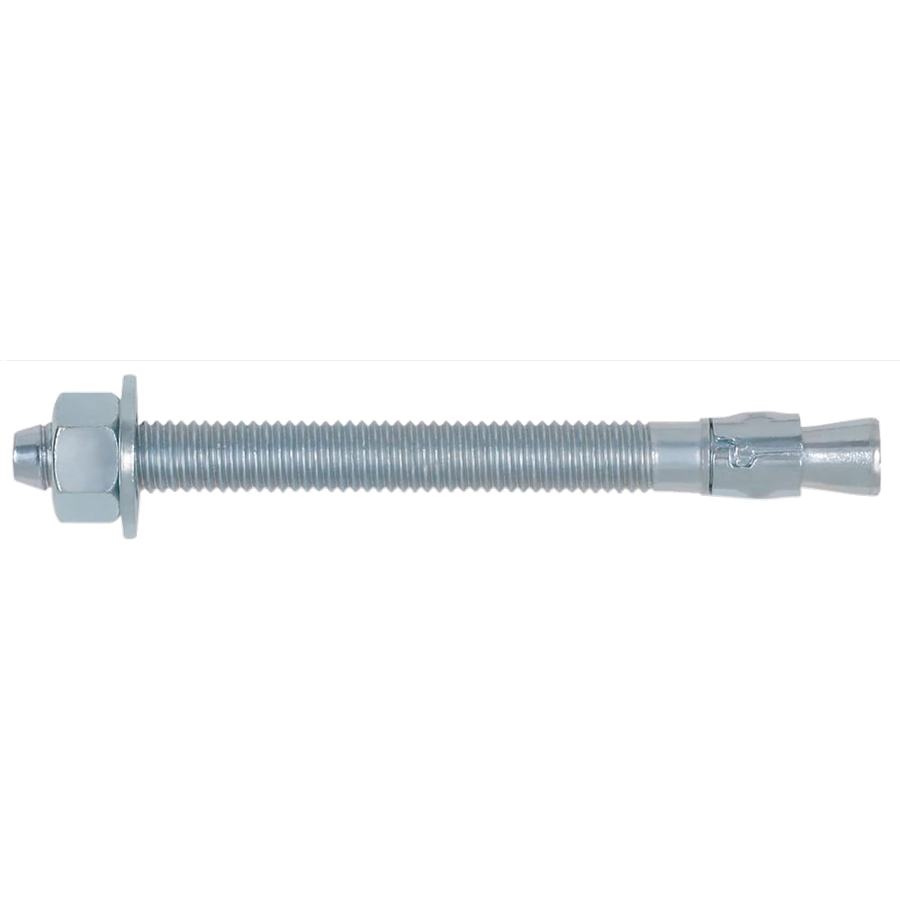
Wedge anchor
The heaviest common anchor: a stud with a wedge clip that bites into solid poured concrete.
Best for
- Structural loads, posts, machinery, tie-downs in a slab
Watch out
Poured concrete only — not hollow block. Depth of embedment matters more than torque.
Which anchor
What's behind your wall?
The single most common question at our counter. Find your wall type, then match the load.
| Wall type | How to tell | Light load | Heavy load |
|---|---|---|---|
| Drywall, nothing behind it | Sounds hollow, pushpin sinks easily | Ribbed plastic anchor | Toggle bolt or snaptoggle |
| Drywall over a wood stud | Stud finder lights up; solid knock | Wood screw straight into the stud | Lag screw into the stud |
| Concrete block or stucco | Drill dust is grey and gritty; hammer drill needed | Tapcon concrete screw | Sleeve anchor |
| Poured concrete slab or beam | Very hard, slow drilling, no hollow sound | Tapcon concrete screw | Wedge anchor |
| Plaster over lath (older homes) | Crumbly white dust, springy feel | Toggle with a wide flange | Anchor into the framing behind, not the plaster |